How to Drain Water Heater Tanks in Plano, TX
Learning how to drain water heater tanks in Plano, TX comes down to a safe order of steps. Turn off the power or gas, close the cold water supply, let the water cool, run a hose from the drain valve to a safe spot, then refill the tank completely before you turn the heat back on.
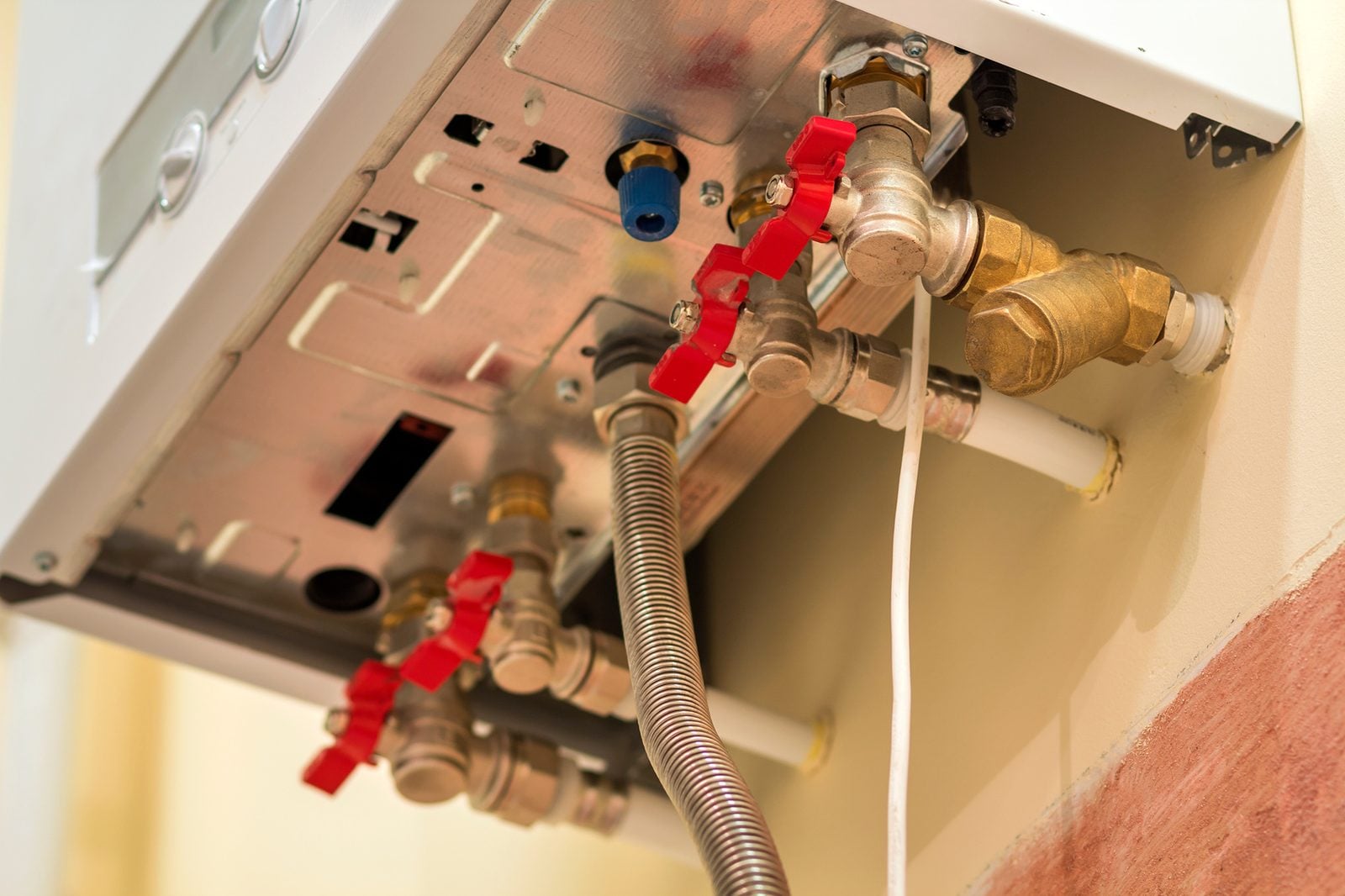
- Draining and flushing a tank water heater removes sediment that can cause rumbling, popping and slower heating.
- Turn off the electric breaker or set the gas control to off before you drain. An electric tank heated while empty can burn out its elements.
- Water in a tank that just ran can scald, so let it cool for several hours first.
- Always refill the tank until water runs steadily from an open hot faucet before restoring power or relighting the gas.
- Texas law lets a property owner do plumbing in their own homestead without a license, though a city may require a permit.
What to do first
- Read the drain and restart instructions on the label for your exact unit, especially for gas models.
- Turn the water heater breaker off, or turn the gas control knob to off. If you smell gas, leave the house and call the gas company from outside.
- Close the cold water supply valve on the pipe that feeds the top of the tank.
- Let the water cool for several hours, and keep children and pets away from the hose.
- Check the drain valve at the bottom of the tank. If it is cracked, leaking, or will not turn by hand, stop and call to be connected with a local plumbing provider.
How to drain water heater tanks step by step
To drain a tank water heater in a Plano home, shut off the heat source and the cold water supply, attach a garden hose to the drain valve, open a hot water faucet to let air in, then open the drain valve and let the tank empty.
- Shut off the heat. Flip the breaker for an electric unit. For gas, turn the control knob to off or pilot, as the label directs.
- Close the cold water inlet. The valve is usually on the cold pipe above the tank. Turn it clockwise until it stops.
- Let the water cool. Waiting several hours or overnight is safer.
- Connect a hose. Thread a garden hose onto the drain valve near the bottom of the tank. Run the other end to a floor drain or a spot outside lower than the valve.
- Open a hot faucet. A hot water tap in a nearby sink lets air into the tank so the water can flow out instead of sputtering.
- Open the drain valve. Turn it slowly by hand or with a flat screwdriver.
- Let it empty.
Once the tank is empty, flush it, then close the valve and refill.
Why should you drain and flush a water heater?
You drain and flush a water heater to clear out the sediment that settles at the bottom of the tank. Minerals in tap water drop out as the water heats, and over time that layer can make the heater work harder and sound noisier.
Common signs that sediment is building up include:
- Rumbling, popping or crackling sounds while the heater runs
- Hot water that runs out sooner than it used to
- Cloudy or gritty water from hot taps
Many manufacturers suggest flushing on a regular schedule, so check the manual for your model. If you are already seeing no hot water at all, start with our guide on what to check first when there is no hot water.
How do you flush sediment out of the tank?
To flush sediment out of a water heater, leave the drain valve open after the tank empties and briefly turn the cold water supply back on. Fresh water rushes in, stirs up the loose sediment and carries it out through the hose.
Run it a few minutes, then close the supply and let the tank drain again. Repeat until the water coming from the hose looks clear.
If the water never clears, or the flow slows to a trickle, the valve may be clogged with sediment. Do not poke metal objects into the valve, since plastic drain valves break easily. A valve that stays blocked is a good reason to call to be connected with a local plumbing provider.
Need help now? Call to be connected with a local provider in Plano who can check availability for your address.
How do you refill a water heater after draining it?
To refill a water heater, close the drain valve, remove the hose, open the cold water supply, and leave a hot water faucet open until water flows from it in a steady stream with no sputtering. That tells you the tank is full and the air is out.
Only then should you restore the heat. For an electric heater, turn the breaker back on. For a gas heater, follow the lighting steps printed on the tank label exactly. Turning on an electric heater before the tank is full can burn out the heating elements in seconds.
Check the drain valve for drips once the tank is full. If it leaks, a water heater repair visit can sort out whether the valve needs attention.
What are the dangerous parts of draining a water heater?
The dangerous parts of draining a water heater are scalding water, gas, electricity and old valves that fail when you touch them.
- Scalding water: Let the tank cool and point the hose where no one walks.
- Gas: If you smell gas, see a damaged vent, or are not sure how to relight the unit, stop and call for help.
- Electricity: Never open the element covers on an electric unit with the breaker on.
- The pressure relief valve: The temperature and pressure relief valve on the side or top of the tank is a safety device. Do not remove, cap or tamper with it.
- Old drain valves: On an older tank, the drain valve may crack or refuse to close once opened, leaving you with a steady leak.
If any of these worry you, call to be connected with a local plumbing provider instead of pushing ahead.
When should you stop and call instead of draining it yourself?
You should stop and call if the tank is leaking, the drain valve will not open or close, you smell gas, or the heater sits somewhere hard to reach safely.
Other signs that it is time to call:
- Water pooling under the tank from the body, not the valve
- Rust-colored water from hot taps only
- A tank in an attic with no drain pan or a pan that is already wet
If you are trying to decide whether the heater is worth keeping, our page on water heater repair vs. replacement walks through the main factors.
What happens during the visit for a water heater flush?
A water heater flush visit usually starts with a look at the unit and a few questions. The provider will ask its age, whether it is gas or electric, and what symptoms you have noticed.
Next comes an inspection. That often covers the drain valve, the pressure relief valve, gas venting, supply connections and signs of leaks.
The provider should then explain what they found and your options, such as a standard flush, a valve replacement, or other repairs, and give you a written quote before any work begins. Timing depends on the provider's schedule, so describe the problem clearly when you call.
What should Plano homeowners know before draining a water heater?
Plano homeowners can drain their own water heater. Texas law says a property owner is not required to be licensed to perform plumbing in the property owner's homestead, though a city may still require a permit for some jobs. The Texas State Board of Plumbing Examiners (TSBPE) advises asking your city's plumbing inspection department whether a job needs a permit and inspection.
Timing matters in North Texas too. At DFW Airport, the average first freeze is November 22 and the average last freeze is March 12. Fall is a sensible time to flush. During the February 2021 freeze, DFW stayed below freezing for 139 consecutive hours, and insurers reported 21,715 claims in Collin County from that storm. A water heater that is drained and left empty in an unheated garage during a freeze can be damaged, so refill it right away.
If draining goes wrong and water spreads, the Texas Department of Insurance notes that most homeowner and renters policies cover sudden and accidental water damage but usually not gradual leaks, and that mold can start growing within a day after a leak. Dry the area quickly and take photos. Homeowners in Plano, Allen, Frisco, Richardson, Murphy and Wylie can find their city on our service areas page.
Related pages
Questions people ask
How to drain water heater tanks safely in Plano, TX?
Turn off the breaker or gas, close the cold water supply, let the water cool, attach a hose to the drain valve, open a hot faucet and then open the valve. Refill the tank fully before turning the heat back on, and call to be connected with a local plumbing provider in Plano if the valve leaks or will not turn.
How long does it take to drain a water heater completely?
It depends on the tank size, the hose and how much sediment is in the valve. A clear valve with a short downhill hose empties faster, while a clogged valve can slow the flow to a trickle.
Do I need to turn off the water heater before draining it?
Yes. Turn off the breaker for an electric unit or set the gas control to off, because heating an empty tank can burn out electric elements and is unsafe on any unit.
Why is my water heater not draining when I open the valve?
The most common reason is that no air can get in, or sediment has plugged the valve. Open a hot water faucet to break the vacuum, and if it still will not flow, briefly turn the cold supply on to push the clog loose.
How often should I flush my water heater?
Follow the schedule in your water heater's manual. Many manufacturers recommend regular flushing, and homes with more mineral buildup may benefit from flushing more often.
Is it worth flushing an old water heater that has never been flushed?
Sometimes, but it carries more risk. Heavy sediment can clog the valve, and an old plastic valve may not close again, so many owners of older tanks have a provider look at it first.
Why is my water heater making popping or rumbling noises?
Popping or rumbling usually means sediment has built up on the bottom of the tank. Water trapped under the sediment boils in small bursts, and a flush often quiets it down.
What happens if I turn on an electric water heater before it is full?
The heating elements can burn out almost right away. Always keep a hot faucet open while refilling and wait for a steady stream of water before turning the breaker back on.
Do I need to relight the pilot light after draining a gas water heater?
Often, yes, depending on your model and how you shut it down. Follow the lighting instructions on the tank label exactly, and if you smell gas or the pilot will not stay lit, stop and call for help.
My water heater drain valve is leaking after I flushed it. What should I do?
First make sure the valve is fully closed and try a hose cap on the outlet to stop a slow drip. If it keeps leaking, call to be connected with a local plumbing provider, because a failed drain valve often needs replacing.
What is the brown or sandy stuff coming out of my water heater?
That is usually sediment, minerals that settled out as the water heated. Rusty water can also point to corrosion inside the tank, which is worth having checked.
Can I drain a water heater that is in the attic?
You can, but it is harder and riskier. The hose has to run down to a drain or outside, and any leak goes straight into the ceiling below, so many homeowners leave attic units to a provider.
Should I drain my water heater if it is leaking from the bottom?
Draining can limit the mess, but a leak from the tank body usually means the tank itself is failing. Turn off the heat and the cold supply, drain it if you can do so safely, and call to talk through repair or replacement.
Do I need a permit to replace a water heater drain valve in Plano?
It depends on the work, so ask the city. The Texas State Board of Plumbing Examiners advises checking with your city's plumbing inspection department about permits, and rules vary by city.
Should I drain my water heater before a freeze in North Texas?
Usually not for a heater that stays in use, since a full, running tank resists freezing far better than an empty one. If you shut off the water to a vacant home, ask a provider whether draining makes sense for your setup.
Talk to someone about your plumbing problem
Call to be connected with a local provider who can check availability for your address and explain the next step.