How to Unclog Toilet Clogs in Plano, TX
Knowing how to unclog toilet clogs in Plano, TX starts with one move: stop the water before you flush again. Close the valve behind the toilet, use a flange plunger with steady pushes, then try a closet auger if needed. If several drains back up at once, call to be connected with a local plumber.
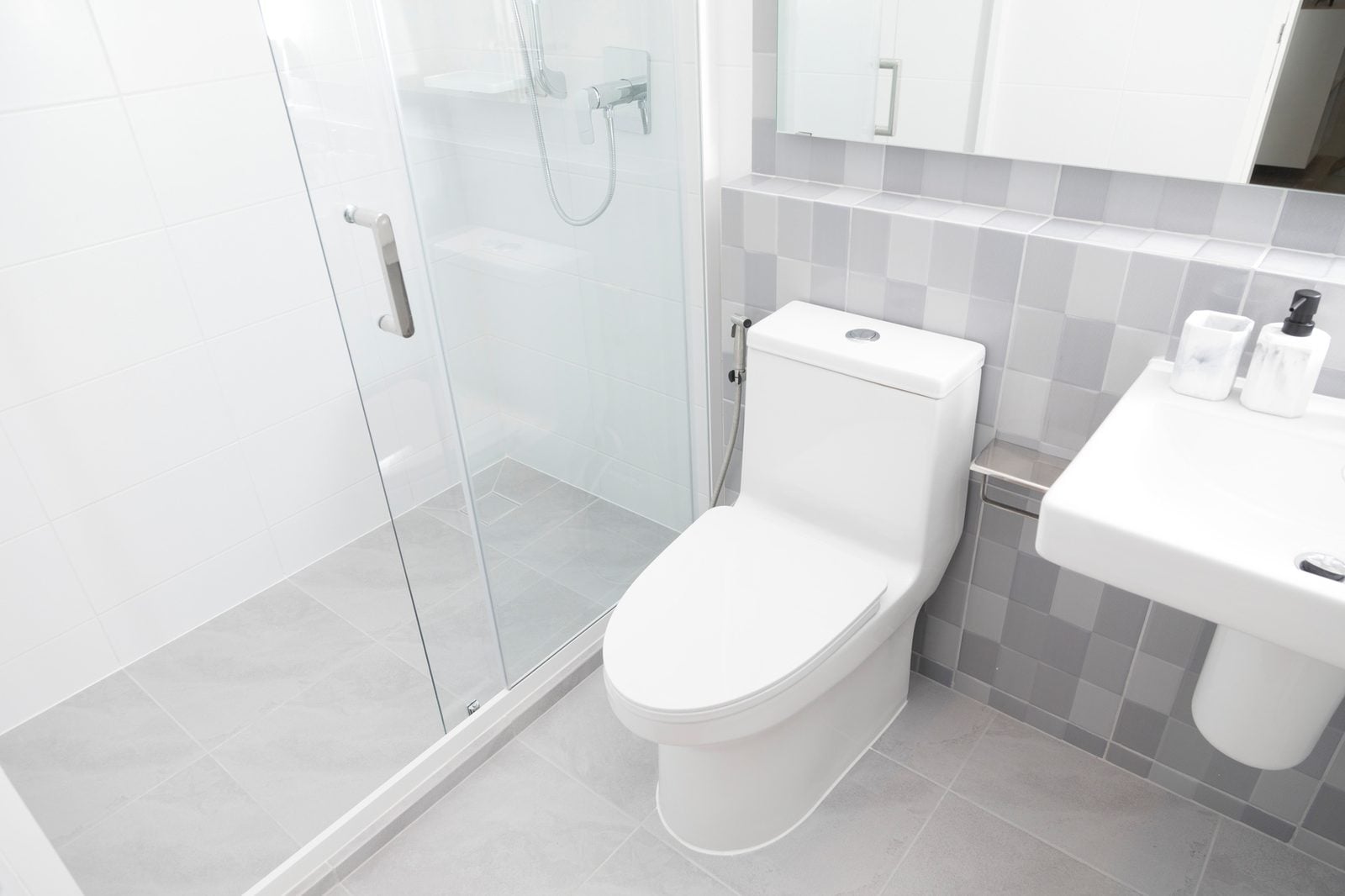
- The small shutoff valve behind the toilet stops the tank from refilling and is the quickest way to prevent an overflow.
- A flange plunger (the kind with a soft cup that folds out at the bottom) seals a toilet drain far better than a flat sink plunger.
- If a toilet, tub and floor drain back up together, the problem is likely in the main sewer line, not the toilet.
- The Texas Department of Insurance says most homeowner and renters policies cover sudden water damage such as a toilet overflow, but usually not gradual leaks. Check your own policy.
- The Texas State Board of Plumbing Examiners (TSBPE) licenses plumbers in Texas and offers a public license search.
What to do first
- Do not flush again. A second flush on a clogged toilet is the most common cause of an overflow.
- If the bowl is filling toward the rim, lift the tank lid and press the flapper down, then turn the shutoff valve behind the toilet clockwise until it stops.
- Put old towels around the base of the toilet and keep children and pets out of the bathroom.
- Wear rubber gloves and open a window or turn on the bathroom fan before you start working.
- Check another drain in the house. If a tub or shower is also backing up, stop and call to be connected with a local provider instead of plunging.
How to unclog toilet clogs with a plunger, step by step
The simplest way to unclog a toilet in a Plano home is a flange plunger used with slow, firm strokes. Make sure there is enough water in the bowl to cover the cup, seal it over the drain opening, and push and pull steadily for 15 to 20 strokes before you check the result.
- Get the right plunger. A flange plunger has a soft extension that fits into the toilet drain. A flat cup plunger is made for sinks and tubs and will not seal well.
- Check the water level. You want enough water to cover the rubber cup. If the bowl is nearly full, scoop some into a bucket. If it is nearly empty, add a little water from a container, not by flushing.
- Seal the cup. Push the plunger in slowly at first so air escapes, then press it into the drain opening so it seals.
- Plunge with steady strokes. Push down and pull up sharply while keeping the seal. The pull matters as much as the push.
- Test carefully. When the water drains, turn the valve back on, let the tank fill, and flush once while watching the bowl. Be ready to lower the flapper again.
If several rounds do not lower the water, move to an auger or call for help.
What should I do if the plunger does not work?
If a plunger does not clear the toilet, the next tool is a closet auger, also called a toilet auger. It has a bent tube that protects the porcelain and a cable you crank to break up or hook the clog.
Place the curved end in the bottom of the bowl, push the cable into the drain while turning the handle, and keep cranking slowly when you feel resistance. Pull the cable back out the same way and flush once to test. Avoid using a regular metal drain snake without a guard, since it can scratch the bowl.
If the auger meets a hard stop, comes back with roots or debris, or the toilet clears but clogs again within days, the blockage may be past the toilet. Our guide on telling a clogged drain from a sewer line problem explains the difference. At that point, calling to be connected with a local plumbing provider is the safer step.
How do you unclog a toilet without a plunger?
You can sometimes unclog a toilet without a plunger by using warm water and dish soap. This works for soft clogs like toilet paper, and it will not work for a solid object such as a toy or a phone.
- Dish soap and warm water: Squirt a generous amount of dish soap into the bowl, then pour in a bucket of warm tap water from waist height. Wait 15 to 20 minutes. Do not use boiling water, since sudden heat can crack porcelain.
- A wire hanger: A straightened hanger wrapped in a rag at the tip can reach a clog near the opening. Go gently to avoid scratches.
- A wet vacuum: A wet-dry shop vacuum can pull water and a soft clog out of the bowl. Do not use a regular household vacuum.
If none of these help, stop and leave the valve closed. Repeated attempts can push a clog deeper.
Need help now? Call to be connected with a local provider in Plano who can check availability for your address.
Should I use chemical drain cleaner in a toilet?
Chemical drain cleaner is a poor choice for a clogged toilet. Many products are made for sink and tub drains, they may not reach a toilet clog, and the heat they create can damage the bowl, the wax seal or older pipes.
There is also a safety issue. If the cleaner does not work, you are left with a bowl of caustic water that can splash when you plunge, and mixing different cleaners can create harmful fumes. If a chemical has already been poured in, tell anyone who works on the toilet which product it was.
Why does my toilet keep clogging?
A toilet that clogs again and again usually has a cause beyond one bad flush. The most common reasons are things that should not be flushed, a partly blocked trap, a weak flush, or a problem farther down the drain line.
- Wrong items flushed: Wipes labeled flushable, paper towels, cotton swabs and feminine products do not break down like toilet paper.
- Something stuck in the trap: A small toy or bottle cap can catch paper over and over.
- Weak flush: Low tank water, a worn flapper or clogged rim holes can mean the flush lacks force.
- Drain line trouble: Buildup, roots or a sag in the line can slow everything down. Gurgling sounds in other drains are a clue.
If clogs keep coming back, a drain cleaning visit or a camera check of the line can show what is going on.
When is a clogged toilet a sign of a bigger problem?
A clogged toilet is a sign of a bigger problem when more than one fixture is affected. If water rises in the tub or shower when you flush, if floor drains gurgle, or if sewage smell comes from several drains, the main sewer line may be blocked.
In that case, stop using water in the whole house. Running the washer, dishwasher or showers can push waste up through the lowest drain. A main line blockage needs tools a homeowner usually does not have, so call to be connected with a local provider. Our sewer line repair page explains what is usually involved.
A toilet that rocks, leaks at the base, or keeps running after it clears is a different issue. Those point to the wax seal, the flapper or the fill valve. See toilet and faucet repair for more.
What happens during a plumbing visit for a clogged toilet?
A plumbing visit for a clogged toilet usually starts with questions and a look at the fixture. The provider will ask when it started, what was flushed, what you already tried and whether other drains are slow.
Next comes an inspection. That may mean using a closet auger, checking other fixtures, or running a camera into the line if the clog seems to be past the toilet. In some cases, the toilet has to be lifted off the floor to reach an object stuck in the trap.
The provider should then explain what they found and the options, and give you a written quote before any work begins. No one can promise an exact time on the phone, so describe the problem clearly when you call.
How can I prevent toilet clogs at home?
The easiest way to prevent toilet clogs is to flush only human waste and toilet paper. Everything else, including wipes labeled flushable, belongs in the trash.
- Keep a small lidded trash can in each bathroom so guests have a clear option.
- Teach children not to flush toys, and keep the lid down in homes with toddlers.
- Keep a flange plunger next to every toilet so a clog gets handled before anyone flushes again.
- Learn where the shutoff valve is on each toilet and test that it turns. Old valves can stick.
What should Plano homeowners know before tackling a clogged toilet?
Plano homeowners can do their own minor plumbing work. Texas law says a property owner is not required to be licensed to perform plumbing in the property owner's homestead, but a city may still require a permit for some jobs. The Texas State Board of Plumbing Examiners (TSBPE) advises asking your city's plumbing inspection department whether a job needs a permit and inspection. If you hire help, TSBPE suggests getting the name of the company's Responsible Master Plumber and checking the license with its public search. Master Plumber license numbers begin with the letter M.
If a toilet overflows, the Texas Department of Insurance notes that most homeowner and renters policies cover sudden and accidental water damage, such as a toilet overflow, but usually not gradual leaks or seepage. TDI also warns that mold can start growing within a day after a leak, so dry wet floors and baseboards quickly and take photos first.
Winter adds one more thing to watch. At DFW Airport, the average first freeze is November 22 and the average last freeze is March 12. During the February 2021 freeze, DFW fell to -2°F, and insurers reported 21,715 claims in Collin County from that storm. A toilet that will not fill after a hard freeze may have a frozen supply line, not a clog. Homeowners in Plano, Frisco, Allen, Richardson, Murphy and Wylie can find their city on our service areas page.
Related pages
Questions people ask
How to unclog toilet clogs fast in Plano, TX?
The quickest way is to close the valve behind the toilet, then use a flange plunger with 15 to 20 firm push-and-pull strokes. If that fails, try a closet auger, and if several drains are backing up, call to be connected with a local plumbing provider in Plano.
What is the quickest way to unclog a toilet that is about to overflow?
Lift the tank lid and push the flapper down to stop water entering the bowl, then turn the shutoff valve behind the toilet clockwise. Once the water stops rising, you can scoop out some water and start plunging.
How do I unclog a toilet without a plunger?
Try dish soap and a bucket of warm, not boiling, water poured from waist height, then wait 15 to 20 minutes. This helps with soft paper clogs but will not move a solid object.
Can I use Drano or another drain cleaner in my toilet?
It is better not to. Many chemical drain cleaners are made for sinks and tubs, may not clear a toilet clog, and leave caustic water that can splash when you plunge.
Why does my toilet keep clogging every week?
Frequent clogs usually point to wipes or other items being flushed, an object stuck in the trap, a weak flush, or a partly blocked drain line. If good habits do not help, have the line checked.
Will a clogged toilet eventually unclog itself?
A clog made only of toilet paper sometimes softens and clears after several hours. Wipes, toys and other solid items will not dissolve, so do not keep flushing to test it.
Why do my toilet and bathtub both back up at the same time?
When a toilet and tub back up together, the blockage is usually in the shared drain or the main sewer line. Stop using water in the house and call to be connected with a local provider.
Are flushable wipes really safe to flush?
Wipes labeled flushable do not break down the way toilet paper does and are a common cause of clogs. The safest choice is to put all wipes in the trash.
What should I do if my child flushed a toy down the toilet?
Stop flushing and close the valve behind the toilet. Plunging can push a solid object deeper, so try to reach it with gloves or a closet auger, or call for help if it is out of reach.
Is a clogged toilet an emergency in Plano?
A clogged toilet is urgent when it is overflowing, when sewage is backing up into other drains, or when it is the only toilet in the home. One clogged toilet with another working one can usually wait for a scheduled visit.
Can I unclog my own toilet in Texas or do I need a licensed plumber?
Texas law says a property owner is not required to be licensed to do plumbing in their own homestead, so you can clear a clog yourself. A city may still require a permit for larger work.
How can I check if a plumber is licensed in Texas?
Use the public license search from the Texas State Board of Plumbing Examiners (TSBPE). TSBPE also suggests asking for the name of the company's Responsible Master Plumber.
Does homeowners insurance cover water damage from an overflowing toilet in Texas?
The Texas Department of Insurance says most homeowner and renters policies cover sudden and accidental water damage such as a toilet overflow, but usually not gradual leaks. Coverage depends on your own policy, so document everything and check with your insurer.
How fast can mold grow after a toilet overflows?
The Texas Department of Insurance warns that mold can start growing within a day after a leak. Dry floors, baseboards and rugs quickly, and take photos before cleanup.
What happens when a plumber comes out for a clogged toilet?
The provider asks what happened, inspects the toilet and nearby drains, and may use an auger or camera. They should explain the options and give a written quote before starting any work.
Why won't my toilet tank fill after a freeze in Plano?
If the tank will not refill after a hard freeze, the supply line may be frozen, which is different from a clog. Keep the valve closed until it thaws and watch for leaks.
Talk to someone about your plumbing problem
Call to be connected with a local provider who can check availability for your address and explain the next step.